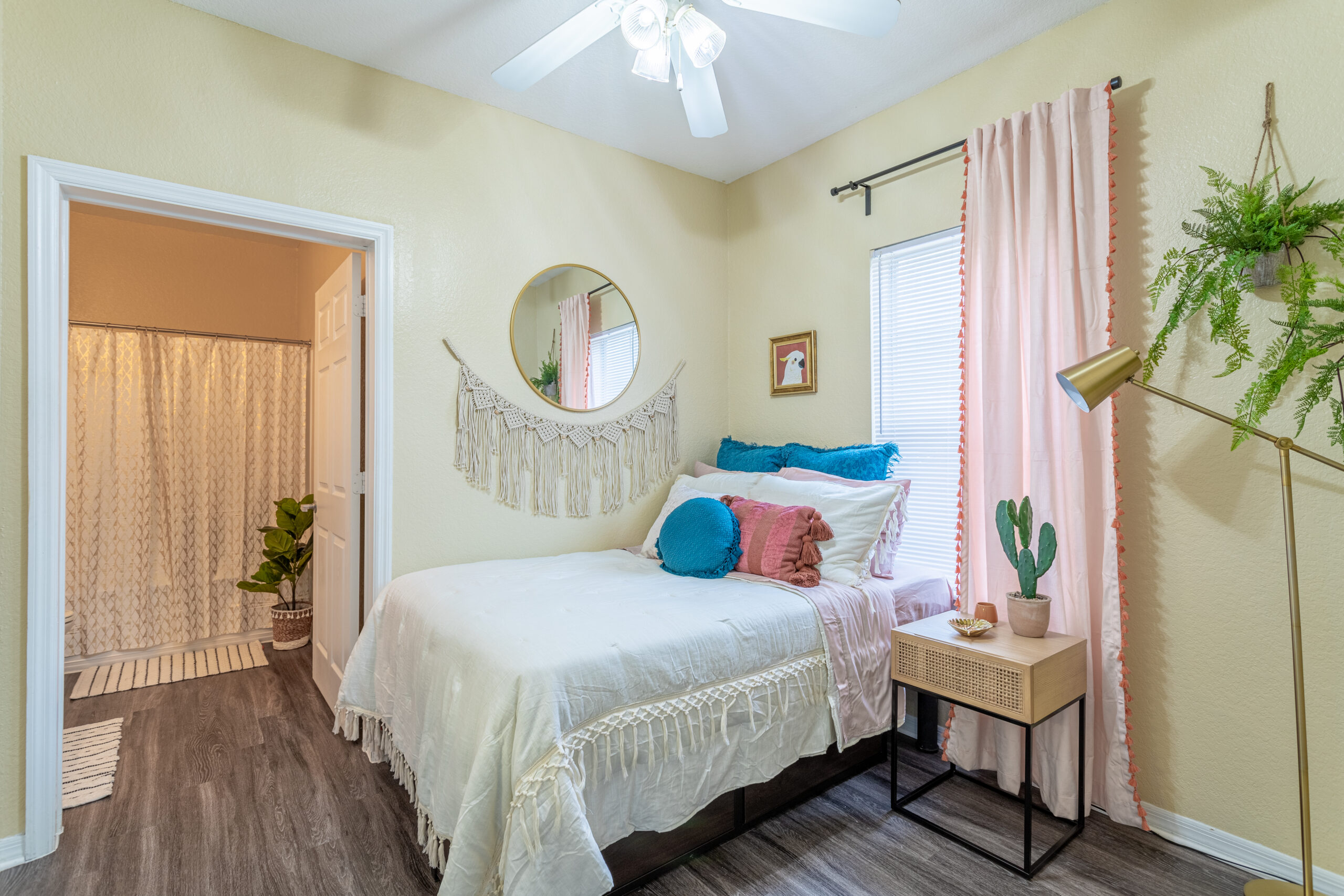
The first few weeks of college housing can be exciting and slightly disorienting at the same time. Boxes are still half unpacked, class locations are not yet automatic, and everyone seems to be figuring out a new routine all at once. For students moving into housing near Hillsborough College, settling in is less about making everything perfect immediately and more about creating a few habits that make daily life easier.
Students often search for HCC dorms because they want convenience and a built-in connection to campus life. Hawks Landing offers an off-campus alternative directly across the street from Hillsborough College, combining that close-to-class feeling with furnished apartment-style spaces. The first month is a good time to learn how to use both the apartment and the community around it.
Unpack the Essentials First
There is no prize for finishing every box on move-in day. Start with the things that support sleep, hygiene, food, and school. Make the bed, set up the bathroom, connect your devices, and organize the desk. Then take a break. A room often comes together better over several days because you begin to notice where items actually belong.
Hawks Landing apartments come fully furnished and include built-in desks, study chairs, large closets, and major kitchen appliances. Even so, residents should bring personal necessities such as linens, towels, cookware, dishes, cleaning products, and shower supplies. The Hawks Landing FAQ offers a more detailed move-in checklist, which is useful when you have the feeling that you forgot something but cannot quite identify what it is.
Talk About Shared-Space Expectations Early
If you live with roommates, the first conversation does not need to be formal or uncomfortable. It should, however, cover the basics. Discuss cleaning, groceries, guests, noise, shared cookware, and how everyone prefers to communicate. Waiting until a small annoyance becomes a large one rarely improves the discussion.
It may help to divide responsibilities lightly rather than create a rigid system on day one. One person might take out trash, another might wipe down the kitchen, and everyone can handle their own dishes. Then revisit the plan after a week or two. People do not always know their schedules yet, and a little flexibility is realistic.
The one-, two-, and four-bedroom options shown on the floor plans page include private bedrooms and bathrooms, while multi-bedroom layouts provide shared kitchen and living areas. That separation can make it easier to socialize when you want to and step away when you need quiet.
Build a Class-Day Routine
Living across the street from campus gives you room to create a calmer morning. Still, close proximity can be deceptive. It is tempting to assume you can leave at the last possible minute, and sometimes you probably can, but a small buffer helps. Pack your bag the night before, check your schedule, and decide whether you will eat at home or bring something with you.
After the first week, note how long your route actually takes. Include elevators, traffic crossings, and the inevitable moment when you turn around for a charger. A realistic routine is usually better than an ambitious one. Students comparing HCC dorms may focus heavily on the address, but how they use that convenience matters just as much.
Find More Than One Place to Study
Your bedroom desk may become your main study spot, especially when you need privacy. Other days, a change of scenery can help. Hawks Landing includes a 24-hour computer lab with free printing, making it possible to work outside your bedroom or prepare materials when campus resources are less convenient.
Try a few study settings during August instead of deciding immediately that only one works. You might prefer your desk for reading, the computer lab for longer assignments, and a shared area for group planning. Study preferences can change by subject, time of day, or mood. That is normal, even if productivity advice tends to make routines sound very fixed.
Review the community amenities to see which spaces may fit into your weekly schedule.
Make Time for Life Outside Class
Settling in is not only about becoming organized. It is also about feeling at home. Use the pool and grill area, visit the fitness center, join a volleyball game, or simply have coffee in a community space. These moments can make meeting neighbors feel more natural because the activity gives everyone something to do besides make small talk.
The neighborhood also offers places for errands, meals, and entertainment. The location guide highlights nearby grocery stores, shopping, and local destinations. Exploring one or two places each week is enough. You do not need to understand all of Tampa before classes really get moving.
Learn the Resident Resources
During the first month, save the office contact information and learn how to submit a maintenance request. It is easier to do this before you need help. The Resident Resource Center connects residents to online payments, maintenance requests, and other useful tools.
There may still be an unopened box in the corner at the end of August. That does not mean you are behind. A successful first month is mostly about knowing where things are, understanding your routine, and beginning to feel comfortable in the space.
Key Takeaways
- Unpack the items that support sleep, hygiene, meals, and school before decorating.
- Discuss shared-space expectations with roommates early and adjust them as schedules develop.
- Create a realistic class-day routine that includes a little extra time.
- Test several study spaces and use community amenities to support your routine.
- Save resident resources and maintenance information before you need assistance.